Bedding Guide
How Sleep and Beyond Wool Comforters Balance Moisture and Warmth
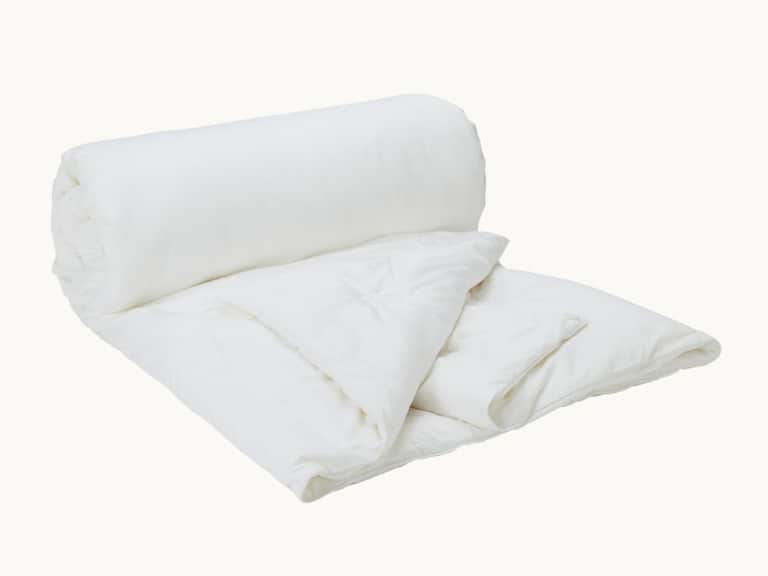
A comforter has a deceptively simple job: keep you cozy without leaving you overheated, damp, or tangled in too much weight. Wool’s natural ability to insulate and absorb moisture makes it an appealing option for sleepers seeking a more balanced bed. Here’s what to know about Sleep and Beyond wool comforters, how standard and lightweight versions differ, and what care they may need.
Why wool feels different from familiar comforter fills
When people shop for bedding, warmth is often the first thing they compare. But warmth alone does not tell the whole story. A comforter also affects how air moves around the body, how well the bed handles moisture, and whether the layer feels light, substantial, or somewhere in between. Wool is noteworthy because it can contribute insulation while also absorbing water vapor.
Wool fibers can take up moisture from the surrounding air without immediately feeling wet to the touch. That characteristic may help a comforter feel less clammy when a sleeper becomes warm during the night. It does not mean wool prevents sweating, keeps every person at a perfectly even temperature, or replaces good room ventilation. Rather, it offers a different way of managing the small changes in warmth and humidity that happen under bedding.
For some sleepers, the appeal is that wool can feel cozy without the slick, compressed, or overly heavy sensation they associate with other materials. For others, its natural loft and weight may feel reassuring. These impressions vary from person to person, so the best choice depends on sleeping habits, climate, room temperature, and personal comfort—not just the name of the filling.
Sleep and Beyond offers wool comforters in more than one weight, including standard and lightweight options. Comparing those choices begins with a practical question: do you need a more substantial layer, or do you simply want a light covering that takes the edge off cooler air?
Moisture management, explained without the hype
“Moisture-wicking” and “temperature-regulating” appear frequently in bedding descriptions, but neither phrase should be taken as a promise that a comforter will control body temperature on its own. Sleep warmth is shaped by several things at once: the bedroom’s temperature and humidity, pajamas, sheets, mattress materials, the number of layers on the bed, and an individual’s tendency to sleep warm or cold.
Wool’s useful distinction is its relationship with moisture. Rather than acting only as a barrier between the sleeper and cool air, wool can absorb some moisture vapor and release it over time as conditions change. That interaction may help reduce the sense of dampness that can accompany a warm night. It is one reason wool bedding is often considered by people who want insulation but dislike a sealed-in feeling.
Still, a comforter is not a climate-control system. A very warm room, heavy sleepwear, or too many bedding layers can overwhelm the benefits of any filling. If you routinely wake up too warm, try adjusting the room temperature or removing an upper layer before assuming that a different comforter alone will solve the problem. If night sweats are frequent or concerning, a comforter is not a substitute for medical advice.
Wool can also be a preference rather than a universal solution. Someone who loves a crisp, nearly weightless cover may prefer a very lightweight design. Someone who wants a distinctly plush, cocooning bed may favor a heavier comforter. The material’s moisture-handling qualities matter, but so do the comforter’s fill amount, construction, shell fabric, and overall feel.
Standard or lightweight: which weight suits your sleep?
The names “standard” and “lightweight” are useful starting points, not precise promises of how warm a comforter will feel in every bedroom. Check the specific product details and compare fill weight where it is provided. The amount of wool in the comforter, its dimensions, and its construction all contribute to how it feels on the bed.
A standard-weight wool comforter
A standard or all-season wool comforter may suit people who want a more noticeable layer of warmth, sleep in a cooler room, or prefer a comforter with some substance. It can be a reasonable place to begin if you often feel chilly at bedtime. However, “all-season” does not mean equally comfortable in every climate or bedroom. Warm sleepers in a heated room may find it too much for part of the year.
A lightweight wool comforter
A lightweight option may appeal to warm sleepers, people in mild or warm climates, and anyone who wants a gentle layer rather than a winter-weight covering. It may also work well as part of a flexible bedding setup: use it alone when the weather is mild, then add a blanket or duvet layer when the room cools. The result is more adaptable than relying on one heavy layer all year.
Sleep and Beyond’s lightweight wool options are described as suitable for warmer seasons or people who prefer less insulation. Product details for the brand’s myComforter Light, for example, list a wool fill weight of five ounces per square yard and an organic cotton sateen cover. A separate light merino option is described as a three-season comforter with a different fill weight. Those specifications illustrate why it is worth checking the exact model: “lightweight” can describe more than one construction.
Brand names and weight labels are not a replacement for the product’s current care label or listing. Specifications can vary by model, size, and product update. Before deciding, confirm the size, filling, shell, stated fill weight, and care directions for the particular comforter under consideration.
How the shell and quilting affect the experience
Fill is only part of a comforter. The shell—the fabric surrounding the wool—affects how the comforter feels against the body and how it works with a duvet cover. Sleep and Beyond wool comforters are described with cotton shells, including cotton sateen in several models. Sateen generally has a smooth surface, while the exact hand, weight, and breathability depend on the fabric’s construction and finishing.
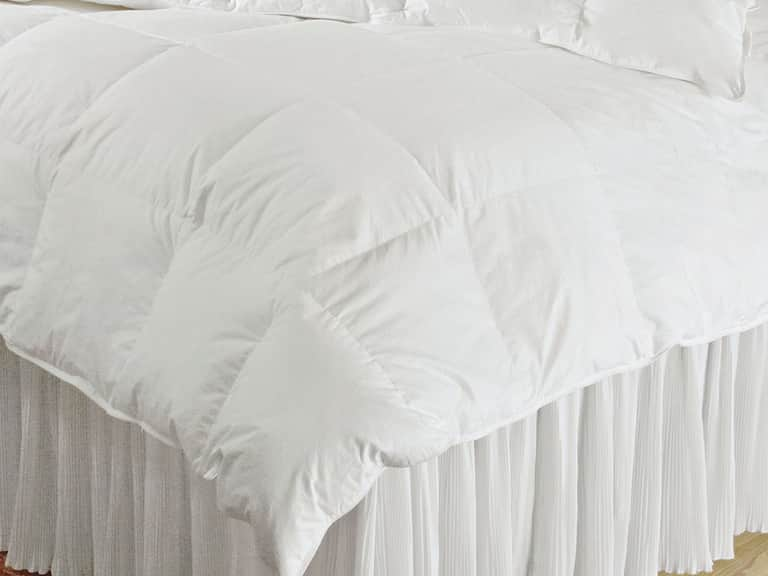
Quilting or other compartmentalized construction helps hold filling in place. When batting is secured across the comforter, the wool is less likely to migrate into one corner or leave thin patches elsewhere. Stitching patterns, quilting pockets, and edge finishing can affect drape and distribution, so they are details worth examining alongside the fill material.
A duvet cover can add another layer of protection and make routine upkeep easier. It can also change the feel of the finished bed: a crisp cotton cover may feel different from a smooth sateen one, and a heavier cover adds another layer. If a comforter has corner loops or ties, make sure the duvet cover has compatible ties so the insert stays in place rather than bunching during the night.
For sleepers who are sensitive to texture, do not assume that choosing wool means the filling will touch the skin. The shell and duvet cover usually form the surface you feel. If you have particular fabric sensitivities, check the materials and finishing details, and consider how the complete bedding combination—not just the inner fill—will feel.
Care: protect the comforter before it needs cleaning
Wool comforters often benefit from a low-fuss routine built around protection and airing rather than frequent washing. A removable duvet cover helps limit direct contact with skin oils, dust, and everyday spills. Since the cover can usually be laundered separately according to its own instructions, it reduces the need to clean the comforter itself.
Sleep and Beyond recommends protecting its wool comforters with a duvet cover and airing or sunning them regularly. Fresh air can help refresh bedding between cleanings, but follow the manufacturer’s directions and avoid leaving materials exposed to conditions that could cause fading or damage. Airing is not the same as washing, and it will not remove every stain or buildup.
Care requirements can differ across models. Some Sleep and Beyond descriptions caution against frequent washing because movement may cause wool batting to separate within quilted pockets; other wool products are specifically described as washable. That distinction is important. Do not assume a comforter is machine-washable simply because another comforter from the same brand is. Check the sewn-in care label and instructions for the exact item.
For models whose instructions allow spot cleaning, use a mild approach and avoid saturating the filling. Allow the area to dry completely before putting the comforter back into its cover. If a product’s guidance recommends professional cleaning for significant stains, follow that direction rather than experimenting with a wash cycle. If machine washing is permitted, use the specified cycle, detergent, water temperature, and drying method; improper heat or agitation may damage wool or affect its shape.
- Use a duvet cover to shield the comforter from everyday soil.
- Air the bedding periodically, following the manufacturer’s recommendations.
- Spot-clean only when the product instructions permit it.
- Check the care label before washing or using a dryer.
- Make sure the comforter is thoroughly dry before storing or covering it.
Storage matters, too. Before putting a wool comforter away for a season, make sure it is clean and completely dry. Store it in a breathable container in a dry place, rather than compressing it tightly for a long period. Keeping it dry and allowing the filling room to recover can help preserve its loft and shape.
Is a wool comforter hypoallergenic?
Wool is often marketed as naturally resistant to dust mites, mold, or mildew, and some Sleep and Beyond product descriptions call its wool comforters hypoallergenic. That language can be helpful context, but it is not a guarantee that a comforter will prevent allergic symptoms or suit every person with sensitivities.
Allergies can involve different triggers, including dust, fibers, detergents, finishes, and the surrounding bedroom environment. A person’s response to wool is individual. If you have a diagnosed allergy, asthma, eczema, or a history of reacting to wool, consult a qualified health professional and review the full material information before making a change. A washable duvet cover and regular laundering of that cover may also be useful parts of a broader bedding routine.
“Hypoallergenic” should not be read as “allergy-proof.” It is more accurate to consider the complete product—fill, shell, processing, care requirements, and any certifications—and to evaluate it in light of your own needs.
A simple comparison checklist before you choose
Two comforters made with wool can feel quite different. To compare Sleep and Beyond standard and lightweight options thoughtfully, look beyond the product title and use a short checklist:
- Warmth preference: Do you sleep cold, warm, or somewhere in between?
- Bedroom conditions: Is your room cool, heated, humid, or likely to change significantly by season?
- Fill weight: Is a weight per square yard or another useful specification listed?
- Shell material: Is it cotton, sateen, or another fabric, and does its feel suit you?
- Construction: How is the wool secured, and are there loops or ties for a duvet cover?
- Care: Is the comforter spot-clean only, professionally cleaned, or machine-washable?
- Size and fit: Does the comforter match your bed and duvet cover dimensions?
- Layering plan: Would a lighter comforter plus an extra blanket give you more flexibility?
These details can help turn a vague search for “the right warmth” into a practical decision. For example, a warm sleeper in a well-heated room may prioritize a lighter fill and breathable cover, while someone in a cool bedroom may value a more substantial wool layer. If two people share a bed but have different warmth preferences, separate blankets or adjustable layers can be simpler than expecting one comforter to satisfy both.
What wool can—and cannot—do for sleep comfort
A wool comforter can bring insulation, a distinctive natural-fiber feel, and moisture absorption to a bedding setup. Those qualities may be especially attractive to people who want warmth without the sense of a dense, clammy layer. A lightweight option can offer a gentler covering; a standard-weight style may provide more noticeable insulation. Choosing well means matching those qualities to your bedroom and personal preferences.
But no fill can promise perfect sleep, eliminate night sweats, or compensate for every warm room and heavy bedding combination. Wool also asks for attention to care instructions, which may be less convenient than a comforter designed for frequent machine washing. A protective cover and regular airing can make maintenance easier, but they do not change the manufacturer’s cleaning requirements.
The most satisfying choice is often the one that fits ordinary life: the temperature you keep your room, whether you sleep hot or cold, how much weight feels comfortable, and how willing you are to follow the care routine. Compare those everyday realities with the exact model’s fill, shell, construction, and label before deciding.
The takeaway
Sleep and Beyond wool comforters draw on wool’s combination of insulation and moisture absorption to support a comfortable bedding layer. Their standard and lightweight options give shoppers a way to think about warmth according to climate and preference, rather than assuming one weight suits everyone. A duvet cover can help protect the comforter, while periodic airing may refresh it between cleanings.
Before choosing, compare the specific model’s fill weight, cotton shell, construction, size, and care directions. The word “lightweight” can be a helpful clue, but the finer details—and your own room and sleep habits—make the decision. With those pieces in view, it becomes easier to find a wool comforter that feels cozy without being more bedding than you need.