Introduction: Why Down-Free Options Matter
If you’ve ever woken to a scratchy throat, itchy sinuses, or an unavoidable sneeze after a night under a comforter, you’re not alone. The quest for a peaceful, non-down night’s sleep has grown from a niche interest into a mainstream comfort movement. Down-free fillings promise allergen-conscious performance, cruelty-free sourcing, and a lighter footprint on the planet—without sacrificing warmth, coziness, or durability. This guide aims to unpack the most common down-free fillings, how they behave across seasons, and what to look for when reading product labels.
We’ll meet three key figures who shaped how we understand sleep quality across centuries, and then zoom into practical guidance you can apply today. In the end, you’ll have a clearer framework for choosing the right down-free comforter for your climate, allergies, and personal style.
A Quick Snapshot of Down-Free Fillings
Below is a snapshot framework you can use when scanning product labels. Each filling category has a distinct warmth profile, care requirements, and suitability for different sleepers.
- Lightweight loft, generally easy care; tends to wash well and is budget-friendly. Best for neutral warmth and allergy-conscious households on a budget, though some may trap more moisture in humid climates.
- Excellent temperature regulation, moisture wicking, naturally anti-microbial; heavier loft options exist. Naturally resistant to dust mites but may require careful care with washing and professional cleaning in some cases.
- Breathable and flush with body humidity, often paired with cotton shells for a cohesive cotton-on-cotton feel. Generally durable and easy to launder; some blends include plant-based fibers for enhanced loft.
- Typically moisture-wicking and soft, with good temperature regulation. May be blended with other fibers to improve loft and resilience.
- Lightweight, breathable, and naturally temperature-regulating. Smoothed edge in luxury lines; requires gentle care but is highly durable when treated properly.
Hypatia of Alexandria (c. 355–415)
A scholar who valued rigorous reasoning and empirical study, Hypatia’s era reminds us that thoughtful inquiry about materials and science of comfort—the science of fabrics, fibers, and longevity—has long been a human pursuit. Her legacy invites modern readers to question traditional norms and seek evidence-based bedding choices that support health and sleep quality.
Takeaway: Ask questions about fillings and certifications; seek evidence rather than anecdote when choosing bedding that affects health and allergy outcomes.
Benjamin Franklin (1706–1790)
A pioneer of comfort experiments and an advocate for practical, well-made fabrics, Franklin embodies the spirit of pairing function with innovation. In the modern era, his legacy nudges us toward exploring new fillings—like cotton, wool, or silk blends—that optimize warmth and airflow for healthier sleep.
Takeaway: Look for rational warmth profiles and verified performance data in product specs, not just marketing language.
Martha Stewart (b. 1941)
A modern design icon who blends aesthetics with practicality, Stewart’s ethos resonates with down-free bedding that’s approachable, easy to care for, and stylishly understated. Her influence mirrors the market shift toward functional, sustainable beds that still look inviting—a core value of down-free guides today.
Takeaway: Pair style with performance—choose coverings and shells that simplify care while delivering lasting loft and comfort.
Care, Labels, and Certifications: Reading the Fine Print
When you’re seeking down-free comfort, the label matters as much as the fill. Certifications like OEKO-TEX Standard 100, GOTS, CertiPUR, and RDS (Responsible Down Standard) appear across the non-down landscape to signal safety, environmental stewardship, and responsible sourcing. While some products may not use shell language as a marketing centerpiece, you’ll find the most robust information in care guides and product pages that outline temperature settings, washing temperatures, drying hints, and any special handling required for delicate fabrics like silk or wool.
Tips for evaluating product labels quickly:
- Check fill type and fill weight or GSM for warmth expectations.
- Look for independent certifications and third-party testing results.
- Review care instructions to understand long-term maintenance needs.
- Compare warmth ratings (tog or warmth index) across fillings for your climate.
A Practical Decision Framework for Down-Free Comforters
This is your practical guide to choosing a down-free comforter without getting lost in marketing language. Use this framework to compare options, especially when shopping for eco-conscious, allergy-friendly, or cruelty-free options.
- Consider your sleeping climate. Warmer climates may benefit from lighter-weight fillings like silk or bamboo, while cooler rooms may opt for wool or heavier cotton blends.
- If allergies are a concern, seek hypoallergenic fills and high-quality shell fabrics with easy washability. Certifications can help verify safety claims.
- If you value easy care, synthetic fills or washable wool blends with durable shells are practical choices. Silk and wool often require more careful care.
- Loft, warmth, and breathability affect sleep comfort. Side-by-side comparisons and charts help reveal subtle differences between options.
- Consider price relative to longevity; investment in a premium wool or silk-down alternative may pay off in comfort and durability, reducing replacement costs over time.
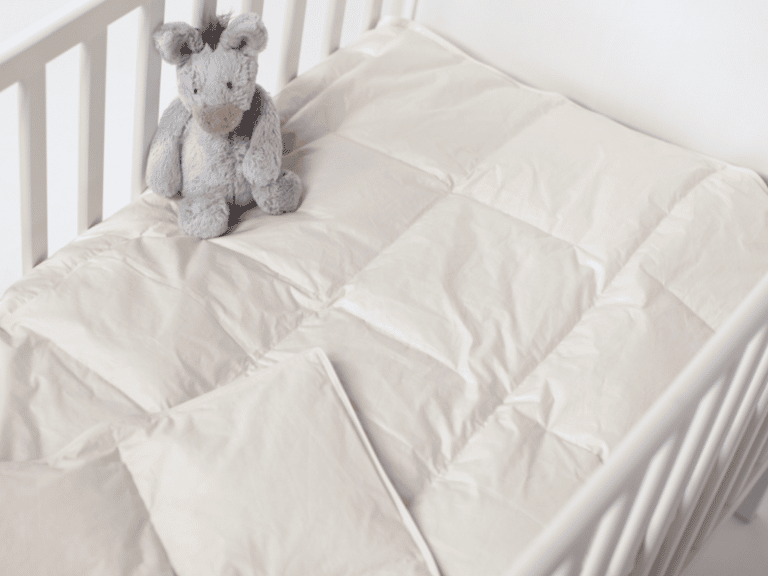
Product Spotlight: Fiona Ultra-L Lightweight Crib
A standout option from the down-free spectrum, Fiona Ultra-Lightweight Crib is crafted for warmth without bulk, ideal for nursery environments where safety, ease of care, and hypoallergenic comfort matter. This crib comforter features Hypodown 600-fill power and a choice of 280-TC Organic Unbleached Cotton or 383-TC White Cotton Sateen, designed to be handcrafted to order for precision loft and even fill distribution.
Key details:
- Fill: Hypodown 600-fill power
- Shell: 280-TC Organic Unbleached Cotton or 383-TC White Cotton Sateen
- Construction: 9-inch sewn-thru box to keep fill evenly distributed
- Care: Handcrafted to order; typical lead time 1–2 business days before shipping
Product images available on product page.
Explore More Down-Free Options
If you’re curious to see a curated set of down-free options across diverse fillings, we’ve highlighted a few representative picks that illustrate the spectrum from light to all-season warmth. Whether you crave the luxurious feel of silk or the robust warmth of wool, there’s a down-free choice for every sleeper.
Selected Down-Free Options (With Images)
Fiona Ultra-Lightweight Crib
Hypodown 600-fill; Organic cotton options; Handcrafted to order
Ultra lightweight crib comforter designed for warmth without bulk, a thoughtful option for caregivers seeking safe, easy-care bedding for infants.
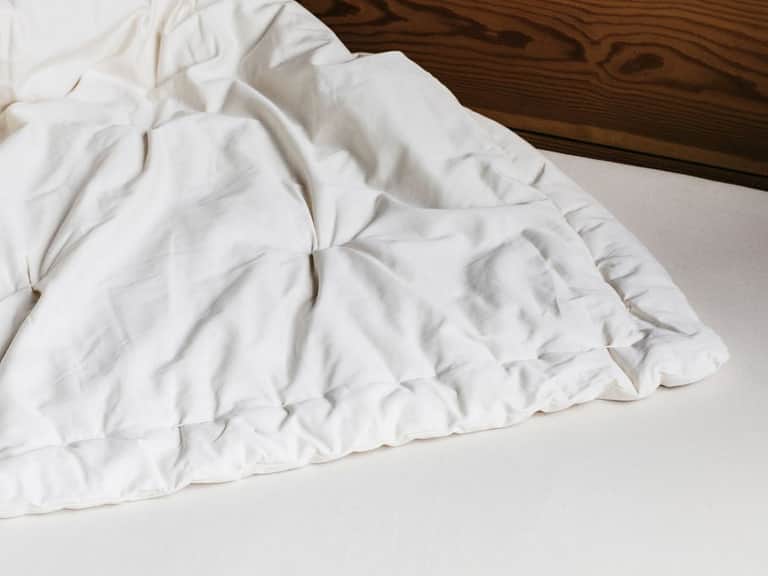
All-Natural Dual-Weight Comforter
Eco-wool fill; GOTS cotton sateen shell; Hand-tufted
A versatile dual-weight design that adapts to seasonal changes, offering temperature regulation with sustainable wool insulation.
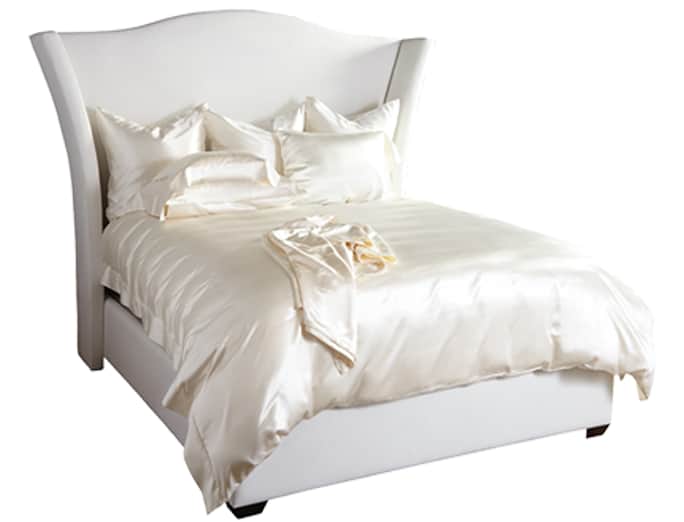
Savoy Silk Comforter with Silk Fiber Fill
Silk fill; Germany-made; washable and breathable
A refined silk experience that balances luxurious drape with practical care, ideal for sleepers seeking featherweight warmth.
Downtown Company Ecco Comforter
Lyocell/Tencel fill; Linen-free, sustainable comfort
A modern down alternative that showcases the moisture-management and elegant drape of Lyocell, paired with a refined shell.
Closing Thoughts: The Sleep Stories We Create
From Hypodown to wool, cotton, and silk, a down-free comforter is more than a product—it’s a decision about how we want to live, rest, and wake up. A night’s sleep is a narrative told by the fibers we choose: a narrative of allergy-friendly relief, ethical sourcing, and sustainable design. Whether you’re drawn to the breathable elegance of silk or the natural climate-control of wool, you’re shaping a healthier sleep ecosystem for yourself and the planet.
As Hypatia, Franklin, and Stewart remind us, curiosity, pragmatism, and style can coexist in the realm of bedding. This guide hopes to spark that same sense of informed wonder for your own bedtime routine.