Bedding Guide
Coyuchi Bedding Materials: How Weave and Care Shape Everyday Comfort
The feel of bedding is never just about how soft it seems in the store. Fiber, weave, finish, and the way a piece is washed all influence whether it feels cool and crisp, smooth and substantial, or cozy and warm night after night. Understanding those details can make choosing and caring for Coyuchi bedding—or any bedding—feel much less like guesswork.
Published November 15, 2026
Comfort starts with more than softness
Softness is an easy quality to notice at first touch, but it is only one part of the sleep experience. A fabric can feel silky and still feel too warm for someone who sleeps hot. A crisp cotton cover may seem less plush at first, yet become a favorite for its airy feel and relaxed texture. Meanwhile, a comforter’s filling can affect warmth and moisture management even when its outer shell is the fabric you notice most.
When comparing bedding materials, it helps to consider three connected elements: the fiber, the weave or construction, and the care routine. Fiber describes what the textile is made from. Weave describes how yarns are arranged, shaping drape, surface texture, and airflow. Care determines how those characteristics hold up through ordinary use, washing, and drying.
There is no single best combination for every bedroom. A warm sleeper may prioritize breathable materials and light layers. Someone who loves a weightier, cocooning bed may prefer a denser fabric or more substantial comforter. The useful question is not simply, “Is this soft?” but, “Will this material feel right in my room, for my habits, and after repeated care?”
Start by identifying the fiber
Product descriptions often mention cotton, wool, silk, or regenerated cellulose fibers such as lyocell. Each has its own character, although the final result also depends on processing, yarn size, fabric construction, and finishing. Labels and detailed product specifications are more reliable guides than broad phrases such as “cooling” or “luxuriously soft,” which may mean different things from one maker to another.
Cotton: familiar, versatile, and weave-dependent
Cotton is widely used in sheets, covers, and comforter shells because it can be woven into fabrics with very different looks and feels. Percale, for example, is commonly associated with a crisp, matte hand and a lighter, airy impression. Sateen usually has a smoother surface and a more fluid drape. Neither name tells the whole story: yarn quality, finishing, and fabric weight also matter.
Organic status describes how cotton is grown and processed under a particular standard; it does not, by itself, tell you whether the fabric is crisp, silky, heavy, or lightweight. For that, look for the weave and feel descriptions, along with any stated fabric weight or construction details. If you are able to touch the fabric before buying, notice whether it feels cool, brushed, slick, textured, or substantial.
Wool: a filling with a distinct care profile
Wool is often used as comforter filling rather than as a smooth sheet fabric. Its springy fibers create a different kind of loft from fine down-like fills, and wool bedding is frequently chosen by people seeking a breathable layer with a more natural, substantial feel. The comforter’s shell—often cotton—will still influence the hand against the body, while the wool filling contributes much of the warmth and overall weight.
Wool care varies considerably. Some wool-filled comforters are intended for spot cleaning and airing, while particular wool blends are designed to be washed at home. Never assume that all wool bedding can be laundered the same way. Check the specific label before washing; heat, agitation, unsuitable detergent, or incomplete drying can affect the fibers and the shape of the item.
Silk and lyocell: smooth, drapey alternatives
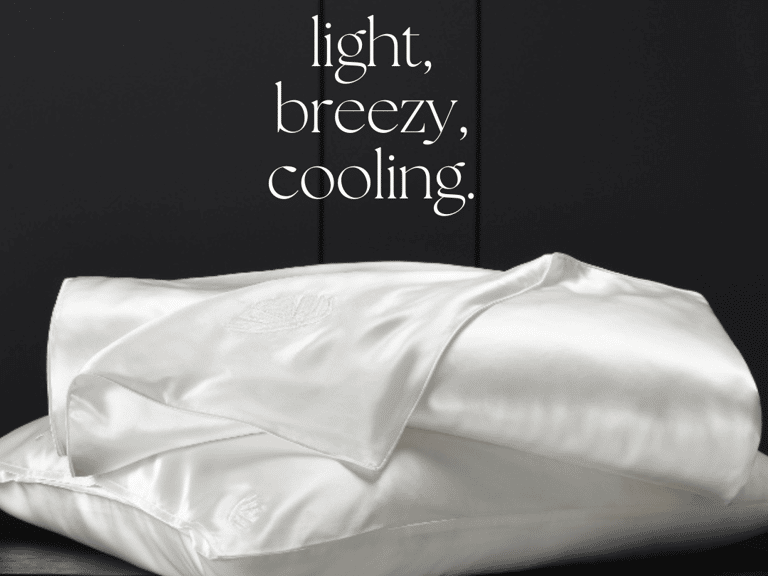
Silk is valued for its smooth, lightweight feel, while lyocell fabrics are often described as fluid and soft. Their performance depends on the product’s construction and care instructions, so the fiber name alone cannot promise a particular temperature experience or maintenance routine. Some silk comforters, for instance, require spot cleaning rather than a standard wash cycle. A lyocell shell or filling may have different recommendations from a cotton one.
With any material, read the full description. A comforter may use one fiber for the shell and another for its fill. A duvet cover may be made from a different textile again. Knowing which part is which helps you understand what you are feeling—and what you will need to clean.
How weave changes the feel
Weave is the arrangement of threads that forms a fabric. It affects surface texture, drape, and the way a textile sits against the skin. Two cotton products can therefore feel surprisingly different even when both are described as breathable or soft.
- Percale is typically plain-woven and often has a crisp, matte finish. People who like a clean, cool-feeling sheet may be drawn to it.
- Sateen uses a weave structure that creates a smoother face and a softer-looking sheen. It often drapes more fluidly than percale.
- Flannel is brushed to create a fuzzy surface that feels warmer and cozier. The brushed finish can make it a natural choice for cooler seasons.
- Matelassé and quilted constructions use texture or stitching to create dimension and help hold layers together. Their feel and warmth depend on the fabric and the amount of material involved.
Thread count is only one specification, and it is not a complete measure of quality or comfort. A higher number does not automatically mean a better fabric, cooler sleep, or a longer-lasting sheet. Fiber quality, yarn structure, weave, finishing, and honest construction details all contribute. Focus on what the description says about the fabric’s actual character, and consider whether that character matches your preferences.
It is also useful to separate the feel of the surface from the feel of the whole bed. A smooth duvet cover can make a comforter feel more polished, but the insert’s filling and construction still determine its weight, loft, and much of its warmth. A breathable shell cannot make a heavy winter insert behave like a summer layer. Choosing pieces as a system—rather than judging one fabric in isolation—often leads to a more comfortable setup.
Matching fabric to your sleep preferences
Think about what you notice most at night. Do you wake feeling too warm? Do you like a crisp sheet or a smooth, draping one? Does a comforter feel better when it is light, or do you enjoy a little weight? These everyday observations are practical shopping clues.
For a warmer bedroom or a person who tends to sleep hot, lightweight layers are easier to adjust than one thick covering. A breathable shell and a suitable fill may help the bed feel less stuffy, but room temperature, pajamas, mattress materials, and personal physiology matter too. No fabric can guarantee a particular body temperature for every sleeper.
For cooler rooms, a warmer comforter or a seasonal layer may make more sense. Wool, silk, cotton, and alternative fibers each have distinct qualities, but warmth is also influenced by fill weight, quilting, and the way a comforter is constructed. Check whether a product is described as lightweight, all-season, or winter weight, and treat those labels as useful guidance rather than universal ratings.
Shared beds can be a particular puzzle when one person sleeps warmer than the other. Separate blankets, a lighter shared comforter with an additional layer on one side, or different duvet inserts can offer more flexibility than searching for one product that satisfies two very different preferences. The best bedding choice is often the one that makes adjustment simple.
Care labels are part of the buying decision
Maintenance is not a small-print detail to check only after a spill. It is part of the everyday cost and convenience of bedding. If you prefer to wash bulky items at home, a comforter that requires professional care may not fit your routine. If you would rather avoid frequent laundering, a duvet cover that can be removed and washed may be especially useful.
Before buying, look for the recommended washing method, water temperature, cycle, detergent guidance, drying method, and any warnings about bleach, ironing, or dry cleaning. Confirm whether the instructions apply to the cover, the filling, or the complete comforter. A product page may summarize care briefly; the sewn-in label should be the reference when it is time to clean the item.
- Machine-wash instructions: Check the permitted temperature, cycle, and whether a large-capacity or front-loading machine is recommended.
- Drying instructions: Find out whether tumble drying is allowed, what heat setting is safe, or whether the item must be air-dried.
- Spot-clean guidance: Note what kind of cleaner is allowed and how much moisture to use.
- Professional-care wording: Distinguish between dry cleaning and professional laundering; they are not interchangeable instructions.
- Care frequency: Some fills are intended to be aired and protected rather than washed often. A removable cover can help reduce the need for cleaning the insert.
When care instructions permit machine washing, avoid overloading the machine. Bedding needs room to move so water and detergent can circulate. Use a mild detergent if the label recommends it, and measure carefully; extra soap is not a shortcut to a cleaner result. Residue can leave fabric feeling stiff or interfere with thorough rinsing.
Drying deserves equal attention. A cover may feel dry on the outside while thicker filling remains damp inside. Follow the care label, allow sufficient drying time, and make sure the item is completely dry before storing it or putting it back into a duvet cover. For items that cannot be washed at home, professional care or spot cleaning may be the safer choice.
Protect the feel between washes
Regular care does not have to mean frequent laundering of every bedding layer. Sheets and pillowcases usually need washing more often than a duvet insert, because they are in direct contact with skin and hair. A removable duvet cover acts as a practical first line of protection for the comforter beneath it. Wash the cover according to its own label, and clean the insert only as its instructions require.
Air bedding occasionally when conditions allow, and follow any product-specific advice about refreshing or airing. Shake out a comforter gently to restore its shape, rather than pulling forcefully at seams or corner loops. Store clean bedding in a dry, breathable space; avoid packing a comforter away while it is damp or compressed for a long period.
Small habits can also help preserve a fabric’s original feel. Sort laundry by color and fabric type, close closures that could catch on delicate textiles, and avoid harsh treatments unless the manufacturer allows them. If a piece feels different after washing, check whether the cycle, temperature, detergent, or drying method matched the care label.
A closer look at a washable wool option
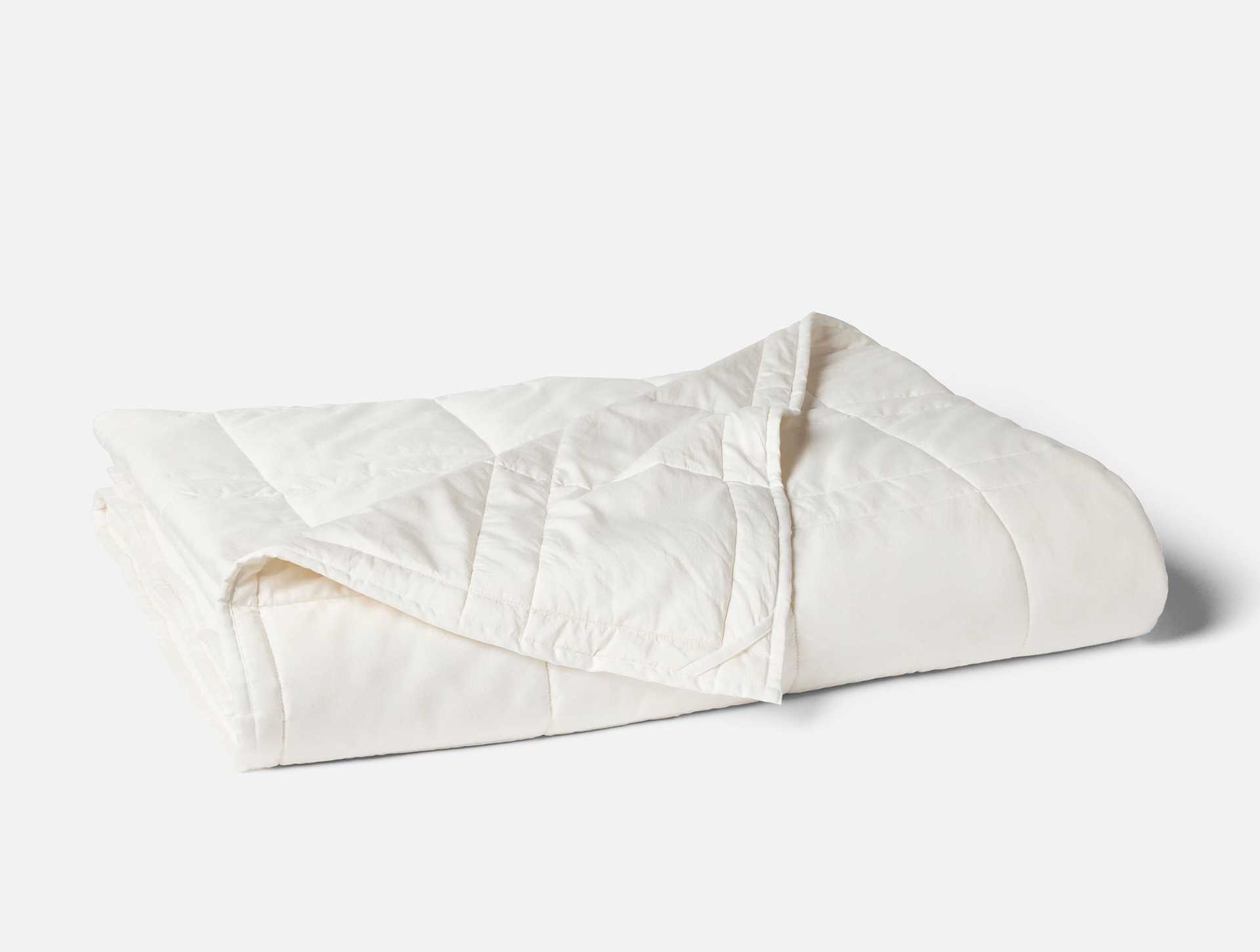
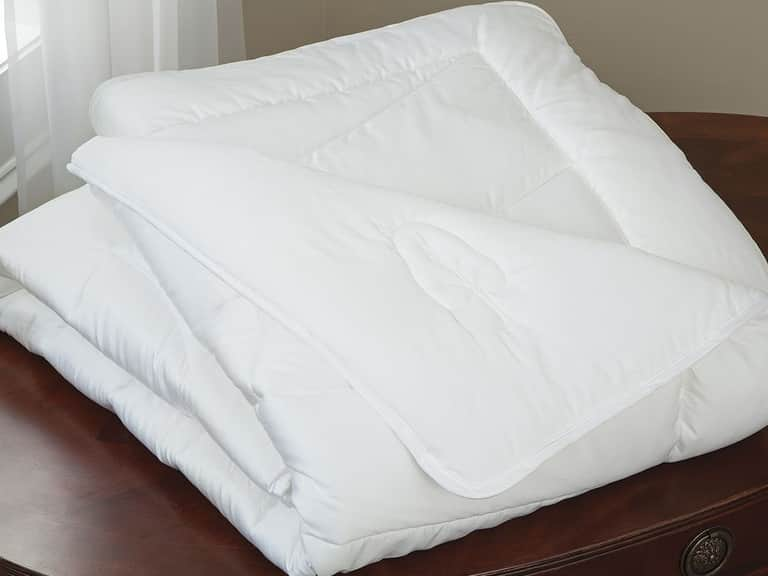
For readers weighing comforter materials alongside practical upkeep, the Coyuchi Washable Wool Filled Comforter is one example of a product whose fill and care details are worth considering together. Its listed construction pairs an organic cotton sateen shell with a fill of 85% NATIVA wool and 15% plant-based batting. The description identifies the filling as washable and specifies cold water, a gentle cycle, like colors, and low tumble drying.
That combination may appeal to someone interested in wool’s natural warmth and a smoother cotton sateen surface, while still wanting an at-home washing option. The product information also notes corner loops for securing it inside a duvet cover. As with any bedding, follow the care label supplied with the item and confirm the instructions before laundering; product descriptions are helpful, but the label on the actual piece is the final guide.
This example also illustrates why a simple material label is not enough. “Wool comforter” describes only part of the experience. The cotton shell affects the surface feel, the wool blend contributes to the filling, and the wash instructions influence how convenient it is to maintain. Reading all three details together gives a more useful picture of everyday comfort.
A practical checklist before you choose
When comparing Coyuchi bedding or similar products, use a short checklist to keep the decision grounded in your own habits rather than a headline claim.
- Identify every material. Check the shell, fill, and any lining separately.
- Look for the weave or construction. Percale, sateen, brushed flannel, quilting, and baffle construction describe different things and influence feel in different ways.
- Match the weight to the room. Consider bedroom temperature, season, and whether you sleep warm or cold.
- Read the care instructions before buying. Make sure the permitted cleaning method fits your laundry setup and willingness to maintain the item.
- Consider a cover. A removable duvet cover can protect an insert and make routine washing more straightforward.
- Check sizing and fit. Comforter dimensions, mattress depth, and duvet-cover dimensions affect drape and how securely the layers stay together.
- Look for clear claims. Certifications or material standards can help answer specific questions, but they do not replace details about texture, warmth, construction, and care.
If possible, assess fabric swatches or samples before committing to a full bedding set. Touch can help you distinguish crisp from smooth, brushed from flat, and light from substantial. If samples are unavailable, use the product’s material list and care requirements as concrete clues, and check the return policy before ordering.
The takeaway: choose for the nights you actually have
The most comfortable bedding is not necessarily the softest, the most expensive, or the one with the longest list of features. It is the combination of materials and construction that suits your climate, sleeping preferences, and routine. Fiber tells you what a textile is made from; weave helps explain how it feels; care instructions show what it asks of you over time.
For Coyuchi bedding, as with any bedding, take a moment to look beyond the first impression. Compare the shell and filling, notice whether the fabric is crisp, smooth, or brushed, and read the washing and drying directions before deciding. A few careful checks can make a difference between bedding that looks appealing online and bedding that feels comfortable—and manageable—in everyday life.
Frequently asked questions
Does a higher thread count always mean softer bedding?
No. Thread count is only one specification. Fiber quality, yarn, weave, fabric finishing, and construction also affect softness and durability. Look at the complete material description rather than treating one number as a guarantee.
Is sateen always warmer than percale?
Not necessarily. Sateen often feels smoother and drapes differently, while percale is commonly described as crisp and airy. The fiber, fabric weight, room conditions, and the sleeper’s preferences all contribute to how bedding feels at night.
Can every wool comforter go in the washing machine?
No. Care requirements differ by filling, construction, and product. Some wool comforters call for spot cleaning and airing; others are specifically designed for machine washing. Follow the instructions for the individual item.
What is the easiest way to protect a comforter?
A removable duvet cover can shield an insert from everyday soil and is generally simpler to wash than a bulky comforter. Check both the cover’s and insert’s care labels, since they may require different methods.