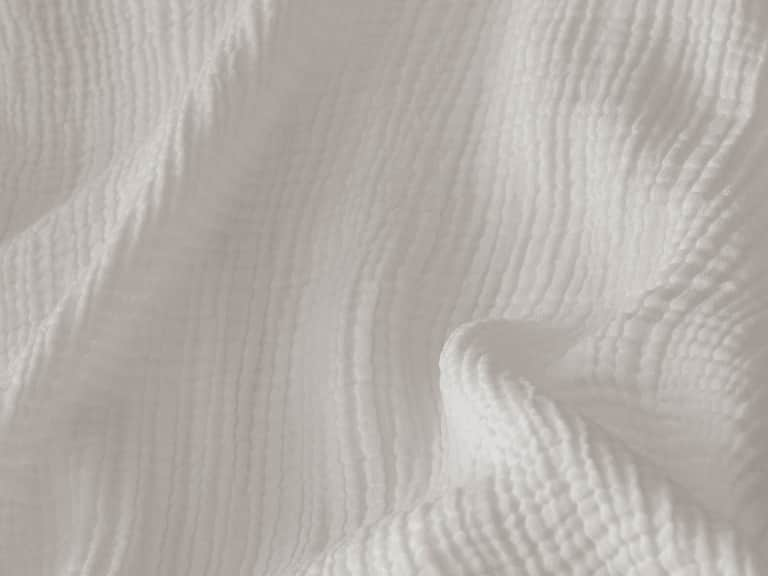
Blankets and quilts add warmth, texture, and a flexible layer to bedding. Blankets are generally lighter and suited to everyday coverage or seasonal layering, while quilts combine a stitched design with light insulation. Understanding these differences helps match bedding to room temperature, personal comfort, and the needs of an adjustable bed.
Materials influence how a blanket or quilt feels and performs. Cotton is valued for its soft hand and breathable character, while quilted construction helps keep filling distributed between fabric layers. Consider weight, care requirements, and how the piece will coordinate with sheets, pillows, and comforters when choosing bedding for regular use.
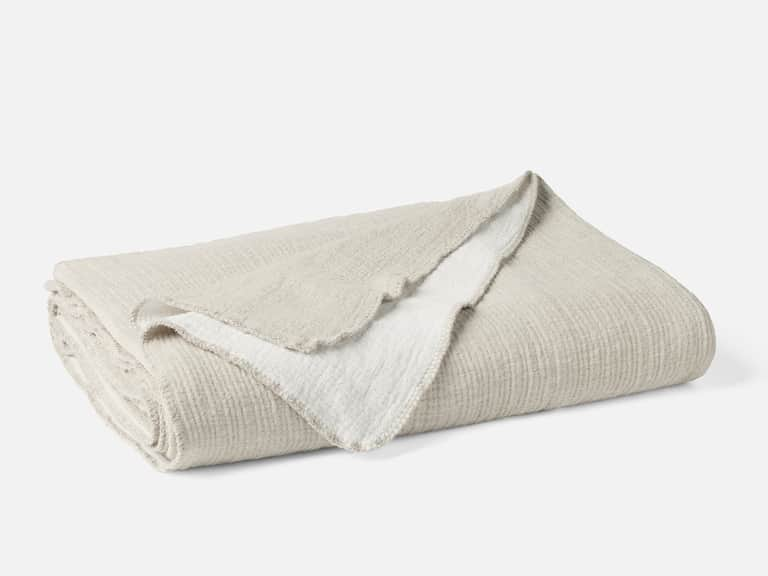
The Cozy Cotton Organic Blanket is a cotton-based bedding layer for people who prefer natural-fiber comfort. Its blanket format makes it useful as a standalone cover in mild conditions or as an added layer over sheets when extra warmth is needed. The organic cotton designation identifies its material origin and may suit fiber-conscious preferences.
The DownTown Company Hyatt Quilted Coverlet features a quilted design intended to provide a neat, textured top layer with relatively light coverage. A coverlet can sit over sheets or a comforter, adding a finished look without the bulk of a heavier bed covering. Its construction makes it relevant for everyday layering and guest-room bedding.
Blankets and quilts can complement a wider bedding setup, including pillows, sheets, and comforters, and can be adapted to changing temperatures throughout the year. For adjustable beds, flexible, manageable layers may be easier to arrange as the bed changes position. Comparing fabric, stitching, coverage, and upkeep helps clarify which bedding layer best fits daily routines.
 Bedding